- Mar 18, 2026 - Drunk Driving Accidents - Written by Cloward Trial Lawyers, reviewed by Ben Cloward

Request Free Consultation
call or text us 702-605-5000
Request Free Consultation
call or text us 702-605-5000Driving after consuming alcohol or other impairing substances places everyone on Las Vegas roads at risk. After a collision, many injured victims begin asking important questions about what is impaired driving under Nevada law and how the legal system holds dangerous drivers accountable. State statutes classify this conduct as Driving Under the Influence (DUI), a category covering alcohol, illegal drugs, and certain prescription medications that interfere with safe vehicle operation.
Understanding these legal definitions becomes essential after a serious crash. When drunk driving leads to injuries, the Las Vegas drunk driving lawyers at Cloward Trial Lawyers assist victims by investigating impairment evidence, establishing liability, and pursuing full compensation through Nevada personal injury claims.
Contact a Las Vegas Drunk Driving Accident Attorney
Nevada law examines whether alcohol or other substances compromise a driver’s capacity to control a vehicle safely. Impairment does not demand extreme or reckless conduct to meet the legal threshold. Even subtle changes like weakened judgment, delayed reaction time, or decreased coordination can create hazardous situations on the road. While impaired driving manifests in various ways, alcohol-related crashes continue to represent the most frequent and devastating cause of serious injuries throughout Southern Nevada.
Drunk driving occurs when alcohol consumption interferes with safe vehicle operation. Alcohol slows reflexes, narrows visual focus, and increases risk-taking behavior. Nevada prohibits driving with a blood alcohol concentration of 0.08 percent or higher and allows enforcement at lower levels when alcohol impairs vehicle control. NRS 484C.110 defines unlawful conduct as operating a vehicle under the influence of intoxicating liquor or reaching the statutory threshold. Drunk driving collisions often involve high speeds, delayed braking, and forceful impacts that lead to permanent injuries.
Fatigue is another condition that impairs driving ability by reducing alertness and slowing response time. Drowsy drivers struggle to stay focused, keep their lane, and spot hazards. Extended work hours, nighttime travel, and unmanaged sleep disorders all increase the risk of fatigue-related collisions. Fatigue alone won’t result in DUI charges, but exhaustion combined with alcohol often strengthens impairment evidence during crash investigations.
Distraction also contributes to impaired driving when attention shifts away from traffic conditions. Phone use, in-car screens, or divided focus can delay braking and steering responses. Alcohol consumption compounds these dangers by slowing decision-making and limiting situational awareness. In many drunk driving crashes, investigators identify distraction alongside intoxication, which can significantly increase civil liability for the at-fault driver.
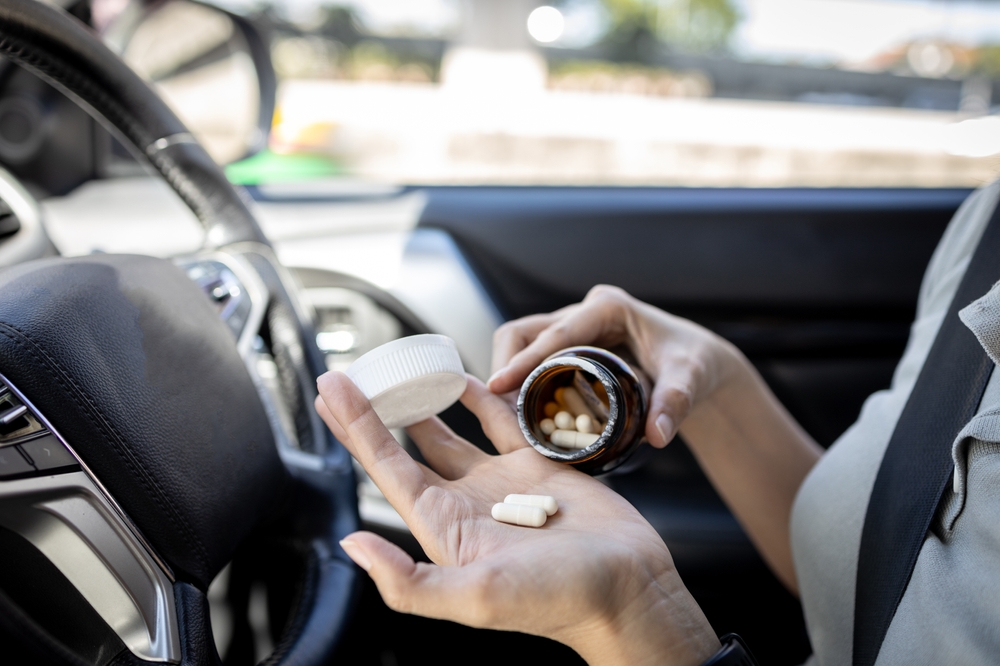
Understanding what impaired driving is under state law requires knowing the standards that define impairment and permit enforcement. DUI charges may apply whenever alcohol or drugs limit safe vehicle operation, even below the legal BAC threshold. A BAC of 0.08 percent creates an automatic violation, while commercial drivers face a 0.04 percent limit. Drivers under twenty-one remain subject to zero-tolerance enforcement beginning at 0.02 percent.
Operating a vehicle also carries implied consent obligations. Drivers agree to breath or blood testing by using public roads, and refusal results in license revocation. Impairment includes alcohol, illegal substances, and certain medications. Penalties may include jail time, fines, and license suspension. Enhanced sentencing provisions effective January 2026 increase prison exposure to two to twenty-five years in fatal impaired driving cases under NRS 484C.430.
Nevada relies on the DUI designation rather than DWI or DWAI terminology used in other states. When a drunk driving arrest follows a crash, the criminal charge often plays a key role in related personal injury claims. Police reports, chemical test results, and court records can help establish fault early in the civil process. Injured victims may pursue compensation for medical care, lost wages, rehabilitation costs, and pain-related losses. Strong impairment evidence also increases pressure on insurers to resolve claims fairly.
Nevada law limits the timeframe for filing injury claims after drunk driving collisions. Most personal injury cases require filing within two years of the crash, and wrongful death claims often follow similar deadlines, although some exceptions apply depending on the circumstances. Delays risk evidence loss and procedural dismissal, which makes early legal involvement critical.
Cloward Trial Lawyers helps Las Vegas residents pursue accountability after drunk driving injuries by building claims supported by impairment evidence. For those asking what impaired driving is and how liability applies, our firm investigates intoxication factors and pursues fair compensation. Call 702-605-5000 for a free consultation and learn how focused legal advocacy can protect your rights.
In 2016, at the age of 37, Benjamin P. Cloward became the youngest lawyer in the history of the State of Nevada to be awarded the prestigious “Trial Lawyer of the Year” by the Nevada Justice Association. That same year, he became the youngest member of the Nevada, Las Vegas Chapter of ABOTA (American Board of Trial Advocates), and at the time was also the youngest person in the State of Nevada to be Board Certified as a Personal Injury Specialist.
Practice areas: personal injury, car accidents, truck accidents, wrongful death, Greyhound bus accidents, and walk-in tub accidents.
Location: Las Vegas, NV
Start your Free Case Evaluation by using the form below. You’ll get a fast response from one of our team members, or you can call our office at 702-605-5000.

This page has been written, edited, and reviewed by legal writers following our comprehensive editorial guidelines. This page was approved by attorney Ben Cloward, who has over 20 years of legal experience as a practicing personal injury attorney.
Explore Articles Related to Your Situation
A DUI arrest in Nevada can create consequences that reach far beyond a court appearance. Because Nevada DUI laws are enforced aggressively, drivers may face jail time, heavy fines, and the loss of a license, e... read more
Families often face difficult decisions when someone has had too much to drink, and one question that comes up is “Can a minor drive a drunk person home?" What might seem like a simple solution can actually crea... read more
When someone asks, “Can you drive drunk on your own property?”, it is often because a drunk driver caused an injury and is now claiming the location shields them from responsibility. For the person who was hur... read more
Start your Free Case Evaluation by using the form below. You’ll get a fast response from one of our team members, or you can call our office at 702-605-5000.

Cloward Trial Lawyers
6830 W Oquendo Rd., Ste. 202, Las Vegas, Nevada 89118

 call us now